Many adventurers, including me when I first started exploring, don't like thinking about trip safety. But that can be a big mistake!
The desert is a harsh environment, and without proper preparation and the right gear, a fun adventure can quickly turn dangerous. People have died in the desert because they were unprepared.
Over the past 10 years, our team at Oregon Discovery has taken thousands of outdoor trips. Many of them were in the desert, both by car and on foot.
Through these experiences, we have learned what works and what doesn't. Some gear is essential, while other items may add unnecessary weight. Don't put yourself or your loved ones at risk. Take the time to prepare properly.
The good news is that useful safety information is free, and much of the essential desert survival gear is affordable. Here are our top 10 tips to help you prepare for your desert trip.
1. Hydration Is Key!
This is the most important tip. You need plenty of water and a reliable way to carry it.
You may run out of water much sooner than expected, putting yourself at risk of dehydration. An unexpected delay, a vehicle breakdown, or an injury could also keep you from returning on time.
The bottom line is simple: carry extra water. Water should be your main source of hydration, but during prolonged activity in hot weather, you also lose electrolytes, including sodium, through sweat.


During some of my own outdoor adventures, I found it difficult to keep up with my fluid losses. An electrolyte drink can help replace some of the salts lost through sweating, although it does not replace the need for enough water.
If you have the space and the budget, consider bringing a few cases of Hoist Hydration Drinks.
Alternatively, save some space and money and carry Liquid I.V. Hydration Multiplier. Just add the recommended amount to water according to the package directions.
Remember that the amount of water you need depends on the temperature, your activity level, and the length of your trip. Carry more than you expect to need, and don't rely on finding drinking water in remote areas.
2. Dress Appropriately for Your Environment
Sunburn and heat-related illnesses can quickly ruin your day. The right clothing helps protect your skin and manage exposure to the sun.
Wear lightweight, breathable clothing that covers your skin. Long sleeves, a wide-brimmed hat, sunglasses, and a neck gaiter can all be useful. Consider clothing with a UPF rating for added protection from ultraviolet (UV) radiation.
Desert temperatures can also drop sharply after sunset, especially in higher-elevation areas and during colder seasons. Bring extra layers even if you don't plan to stay overnight.
Closed-toe shoes are another good choice. They help protect your feet from sharp rocks, thorny plants, and uneven terrain.
One useful accessory is the KastKing Neck Gaiter.
It has a UPF 50 rating and can be worn in several ways, including as a bandana, balaclava, or face covering. It also comes in multiple patterns, so you can choose one that suits your style.


3. Use Sunscreen!
Protect yourself from direct sunlight and UV radiation in the desert, even during winter. Apply broad-spectrum sunscreen with an SPF of 30 or higher to exposed skin, and reapply it according to the product instructions. Don't forget areas such as your ears, neck, and the backs of your hands - protect every exposed area!
If you prefer a spray, Banana Boat 50 SPF Spray Sunscreen is one option to consider.
Be careful when applying spray sunscreen, especially around your face. Avoid inhaling it or getting it in your eyes. I made that mistake once, and it was not a pleasant experience. Take my word for it!
Alternatively, consider Thinksport SPF 50+ Mineral Sunscreen Cream, another option for protecting your skin from the sun.
Remember that sunscreen works best when combined with protective clothing, a hat, and sunglasses.


4. Don't Go Out Alone
Exploring alone can be a great waExploring alone can be a great way to recharge and enjoy some solitude. However, traveling with another person is generally safer, especially in remote desert areas.
If you decide to venture out alone, tell someone you trust where you are going, which route you plan to take, and when you expect to return. Arrange a check-in time and make sure that person knows what to do if you don't check in as planned.
Check the weather forecast and trail or road conditions before leaving. Carry a map that works offline, and don't rely entirely on your phone or cell service.
A simple plan can make a big difference if something goes wrong.y to recharge and enjoy some solitude. However, traveling with another person is generally safer, especially in remote desert areas.
5. Get A First-Aid Kit
When you're outdoors, you need to be prepared to handle medical emergencies. These can range from minor problems, such as blisters and cuts, to serious injuries involving life-threatening bleeding.
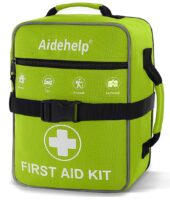
A well-stocked first-aid kit can help you deal with injuries until you can get professional medical assistance. Choose one suited to your activities and group size, and learn how to use the supplies before your trip.
Some outdoor kits, such as this premium first-aid and survival kit, include additional emergency supplies, such as a compass and an emergency blanket. Check the contents to make sure the kit meets your needs.
Don't forget your prescription medications. Bring enough for the planned trip, plus extra in case you are delayed or something happens to your supplies.
You may also want to carry a commercially made tourniquet, particularly if you travel far from medical assistance. Many basic first-aid kits don't include one.
A tourniquet can help control life-threatening bleeding from an arm or leg when used correctly. Direct pressure is also important for controlling severe bleeding, and some wounds may require wound packing.
Learn how to recognize life-threatening bleeding and use the appropriate first-aid techniques. If a serious injury occurs, contact emergency services as soon as possible. A tourniquet should not be loosened or removed while waiting for medical assistance.

6. Be Aware Of the Wildlife You Might Encounter
The desert is home to a wide variety of plants and animals, some of which can be dangerous. Cacti and other thorny plants can cause injuries, while snakes, scorpions, and certain insects can pose additional risks.
Some desert regions are also home to venomous lizards.
Learn about the environment you're visiting and the wildlife you might encounter there. Watch where you step and where you place your hands, especially around rocks, crevices, and vegetation.
Most wildlife encounters can be avoided by giving animals space and leaving them alone. However, never assume an animal will always move away when it hears you.
Avoid approaching, handling, or cornering wildlife. Follow local guidance on what to do if you encounter a potentially dangerous animal.
A little awareness can help you avoid unnecessary trouble and enjoy your adventure more safely.
If you're heading into areas where bears or mountain lions live, consider carrying bear spray such as SABRE Frontiersman MAX Bear Spray, EPA Registered for 9 Animal Species and learn how to use it before your trip.
Some products are marketed for defense against multiple animal species, including bears, mountain lions, coyotes, feral dogs, moose, bison, wild boars, opossums, and raccoons.
7. Buy A Survival Kit For Emergencies
A well-equipped survival kit can make a big difference if something goes wrong. It can also save you time when preparing for a trip because you won't have to research and purchase every item separately.
I've selected a survival kit that may be useful for desert adventures and other emergencies, including unexpected delays, severe weather, or a vehicle breakdown.
The Uncharted Supply Survival System is one option to consider.
A kit like this can provide useful emergency supplies, but no commercial kit contains everything you might need for every situation. Check its contents before your trip and add enough water, food, medications, and other supplies for your destination and group.
The goal is to be prepared to manage an emergency while waiting for help to arrive.

8. Prepare Your Vehicle for the Desert Trip
If you're traveling into the desert by car, make sure your vehicle is in good condition before leaving. Fill the fuel tank, and carry extra fuel only when it is safe and legal to do so. Remote areas can have long stretches without gas stations or other services.
A four-wheel-drive vehicle may be necessary for some rough or sandy roads, but four-wheel drive alone doesn't guarantee that you can safely travel on every route. Check road conditions and make sure your vehicle has suitable tires and enough ground clearance.
- Carry the equipment needed to deal with common problems, such as getting stuck in sand or dealing with a flat tire. Useful supplies include:
- A shovel for digging out sand around the tires.
- Traction boards to help a vehicle regain grip.
- A spare tire and the tools needed to change it.
- A tire inflator and tire-pressure gauge.
- A suitable jack and a stable base for use on soft ground.
- Appropriate recovery equipment, if you know how to use it safely.
A tow strap can also be useful, especially if you travel with another vehicle. However, vehicle recovery can be dangerous if the equipment or attachment points are unsuitable. Use equipment designed for the recovery method, follow the manufacturer's instructions, and never attach a strap to an unapproved point.
Even if you travel alone, another vehicle may come along and offer assistance. However, don't count on receiving help, especially on remote roads.
Many cars come with a jack, but other recovery tools must be purchased separately.
The Everlit Survival Car Emergency Kit is one option for keeping several emergency supplies together. Check the included items and add any tools or equipment your vehicle needs.
Also carry extra drinking water, food, warm clothing, a flashlight or headlamp, and a paper map. If your vehicle breaks down in a remote desert area, staying with it is generally safer than attempting a long walk to find help.
9. Get A Satellite Phone
A satellite communicator can be an expensive piece of gear, but it may be invaluable in an emergency.
In remote areas, cell service can be unreliable or nonexistent. If you become injured or stranded, you may not be able to call for help using your phone.
With a simple press of the SOS button, Garmin Response coordinators are alerted 24/7 and emergency services can go to your location and save you!
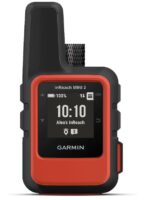
The Garmin inReach Mini 2 is a compact, lightweight satellite communicator with several useful features.
It supports two-way text messaging, SOS communication, TracBack navigation to help retrace your route, and location sharing through a MapShare page.
It also has a digital compass and can pair with your phone through the Garmin Explore app for trip planning and compatible mapping features.
Battery life can reach up to 14 days in 10-minute tracking mode under specified conditions. Actual battery life depends on settings, satellite reception, and usage.
Keep in mind that the device requires an active satellite subscription for satellite communication features. It also needs a suitable view of the sky to communicate reliably, and emergency response times depend on the situation.
It isn't cheap, but the ability to communicate when cell service is unavailable can be extremely valuable in an emergency.
10. Know The Terrain Of Your Destination And Its Threats
The desert isn't always flat. Depending on where you're going, you may encounter mountains, steep hills, unstable cliffs, abandoned mines, and roads that become difficult or impassable after rain.
Flash floods are another serious hazard. A dry wash or canyon can fill with water from rainfall miles away, even when the sky above you is clear.
Check the weather forecast before leaving, and avoid areas at risk of flooding when storms are possible.
Dust storms can also develop in some desert regions. Check local weather conditions and learn what to do if visibility suddenly drops while you're driving or hiking.
Before your trip, research the area, check road and trail conditions, and learn about the hazards specific to your destination. Download maps for offline use, and carry a paper map as a backup.
A good field guide or handbook can help you understand the terrain, identify potential hazards, and choose suitable equipment.
Read it before your trip rather than waiting until you need the information.

The Ultimate Desert Handbook is a practical field guide is worth considering if you plan to explore desert environments regularly..
It covers a range of desert-related topics, including terrain, wildlife, equipment, and preparation for outdoor activities.
The book also includes photographs and illustrations that can help explain its guidance.
Looking for more choices?
Visit Our Amazon Store to Find Gear to Prepare For Your Desert Trip
Conclusion
Desert can be a fantastic place to explore, but it can also be dangerous if you are not prepared.
It's easy to focus on the excitement of an adventure and overlook the risks. However, dehydration, extreme temperatures, vehicle problems, and unexpected emergencies can turn a great trip into a serious situation.
Take the time to plan, carry the right supplies, learn about your destination, and let someone know your plans.
Don't put yourself or your loved ones at unnecessary risk. Prepare well, and enjoy your desert adventures with greater confidence.
You May Also Like