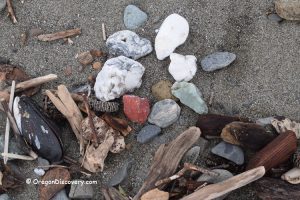
Choosing the right rockhounding tools is important whether you're collecting minerals, crystals, or interesting rocks in the mountains, deserts, riverbeds, or designated collecting areas.
An ordinary claw hammer is not designed for breaking rock. It may glance off a hard surface, causing hand injuries or sending sharp rock chips flying.
A proper rock pick or geology hammer is designed for geological fieldwork and can be an essential tool for collecting rocks and minerals. But which type should you choose? Let's look at the options.
Quick note: This tool goes by several names, including rock pick, rock hammer, geology pick, geology hammer, and mineral pick. These terms are often used interchangeably, although tool designs can vary.
What Makes a Good Rock Pick?
Not all rock picks are the same. Some are designed for breaking hard rock, while others are better suited to light chipping and collecting mineral specimens. Choosing the wrong tool for the job can make collecting more difficult and tiring.
A good rock pick should have these features:
- Strong: Made from durable steel designed to withstand repeated impacts.
- Well-balanced: Heavy enough for the intended work without being unnecessarily tiring to use.
- Comfortable: Equipped with a secure grip that helps reduce vibration and improves control.
- Suitable for the job: Available with a pointed tip, a chisel edge, or both, depending on the rock type and task.
Building your rockhounding kit?
Why You Shouldn't Use a Regular Hammer for Rockhounding
Regular claw hammers aren't made for hitting rocks. The hammerhead or handle can break, sending metal pieces or rock chips flying toward you.
A purpose-made rock pick is designed for geological fieldwork and is a better choice for collecting rocks and minerals. Choose one that suits the collecting you plan to do, and inspect it regularly for damage.
Quick Tips for Choosing Your Rock Pick
How do you choose the right one? Start with these three factors:
- Weight – Light picks are easier to carry. Heavy picks break rock faster.
- Grip – After four hours of digging, a good grip matters a lot.
- Your plans – Cracking agates at Rooster Rock? Digging fossils? Going after thundereggs? Match the tool to what you're doing.
My Quick Picks
Short on time? Here's the short version:
Want one pick that does it all? → Go with the Estwing EO-22P
Need serious power for hard digging? → Grab the Estwing GP100
I picked these two because they're among the best-reviewed rock picks out there. Rockhounds keep giving them high marks year after year.
Safety first: Wear safety goggles every time you swing. They don't need to be fancy. Just get a tested pair that fits well.
Estwing EO-22P Rock Pick – Best All-Purpose Rock Pick
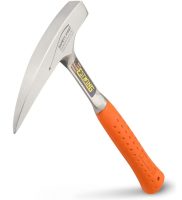
This is the classic rock hammer. It's been in my pack longer than any other tool I own. It's great for:
- Beginners who want something easy to control
- Experienced rockhounds who need a tool they can trust in the field
- Breaking small rocks and chipping at rock beds
The last time I was out in the Ochoco National Forest, this was the only hammer I brought. It handled everything I hit with it.
My take: If you only buy one rock pick, make it this one.
- One-piece forged steel – No weak spots
- Pointed tip + flat face – Breaks, chisels, and pries
- Shock reduction grip – Easier on your hands
- Light (22 oz) – Easy to carry on long hikes

If you make a purchase via our links, Oregon Discovery earns a commission at no additional cost to you
Estwing GP100 Geo/Paleo Rock Pick – Best for Heavy-Duty Digging
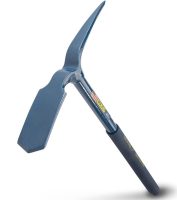
Now, what if you need more muscle? That's where the GP100 comes in.
This is a big, tough pick. Fossil hunters, prospectors, and serious rockhounds love it. It cracks big rocks and digs deep into hard ground.
I pull this one out when I'm going after geodes or working a tough dig site. The long handle does a lot of the work for you.
My take: If you're serious about digging, this pick is worth every penny.
- One solid piece of forged steel – Built to take a beating
- 25-inch handle – Extra leverage for big rocks
- Chisel end + pointed tip – Great for prying out fossils
- Non-slip vinyl grip – Cuts down on hand fatigue
If you make a purchase via our links, Oregon Discovery earns a commission at no additional cost to you
FAQ
What is the best rock pick for beginners?
The Estwing EO-22P is a good option for beginners who want a general-purpose rock pick. Its 22-ounce head makes it suitable for many common rockhounding tasks.
Is a rock hammer the same as a geology pick?
These names are often used for the same type of tool, although designs can vary.
Can I use a regular hammer for rockhounding?
A regular household claw hammer isn't designed for striking rocks. Use a purpose-made rock pick and always wear safety glasses when breaking rock.
How do I take care of my rock pick?
Wipe it dry after each trip and apply a light coat of oil to help prevent rust. Check the head and handle regularly for damage. Sharpen the tip only if needed and follow the manufacturer's instructions.
Final Thoughts
The right rock pick can make collecting rocks and minerals easier and more comfortable. Choose a tool that fits your needs, carry safety glasses, and inspect your equipment before each trip.
Whether you're looking for agates, thundereggs, crystals, or fossils, the right tools will help you get more out of your next rockhounding adventure.
EO-22P vs. GP100: Side-by-Side
| Feature | Estwing EO-22P | Estwing GP100 |
|---|---|---|
| Best for | Everyday rockhounding | Heavy-duty digging |
| Weight | 22 oz | About 4 lbs |
| Handle | 12.5 inches | 25 inches |
| Skill level | Beginner to pro | Experienced |
| Easy to carry? | ✔ Yes | ✘ Not really |
| Check price | See on Amazon | See on Amazon |
You May Also Like