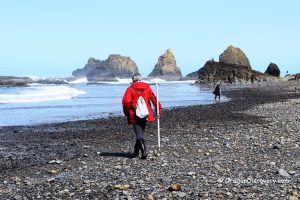
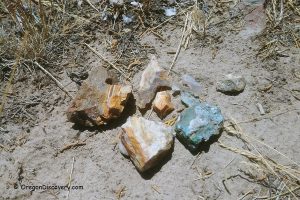
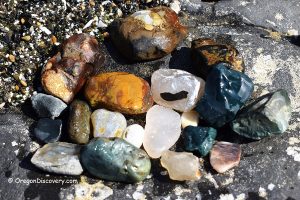
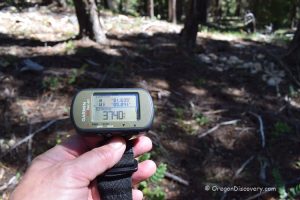
I found my first agate on the Oregon Coast with nothing but my hands and a lot of luck. My first buried coin? That took a metal detector.

Here's the thing about Oregon. Our beaches, old homesteads, river bars, and park picnic spots can contain all kinds of buried metal. Coins. Rings. Old nails. Property markers (don't touch those, please). Much of it is impossible to spot from the surface.

So a few seasons back, I picked up a detector. Then another one. Then a pinpointer, because digging a six-inch hole and still not finding the target got old fast.

What Makes a Good Metal Detector?

Not all detectors are the same. Before you buy one, it helps to know which features matter.

Target ID is important. Basic detectors may just beep. Better ones give you an idea of what is underground, helping you decide what to dig.

Waterproofing is another thing to check. Many detectors have a waterproof search coil, but the control box is not waterproof. That's fine for wet sand and damp ground, but not for wading. Always check the details before getting your detector wet.

Weight and adjustability matter more than you might think. A heavy detector may feel fine for ten minutes, but after an hour on the beach, your shoulder will notice.

Depth is a number brands like to advertise. Take it with a grain of salt. Real-world depth is often less than the advertised maximum.

So which detector is right for you? Ask yourself three questions:

  • Who's using it? Kids need something light and simple. Adults may want better target ID.
  • Where are you hunting? Wet sand and creek edges call for a waterproof coil. Dry parks and yards don't.
  • How often will you use it? Once a summer, go budget. Every weekend, spending more up front may be worth it.

The Best Metal Detectors and Pinpointers

Garrett ACE 300 (Best for Adults)
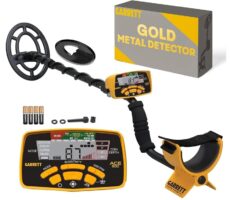
Why I love it: This is the one I hand to friends who ask "which detector should I buy?" It's American-made, it's been trusted for decades, and it does the thing that matters most: it tells you what's under the coil before you dig.

Multiple search modes, solid iron filtering, and a waterproof coil for wet sand. It also comes with headphones and a coil cover, so you're ready out of the box.

Best for: Adults who want a real detector, not a toy. Coin hunting, relic hunting, and long-term use.

Price

ULHUND Foldable Waterproof Metal Detector (Best for Beach Trips)
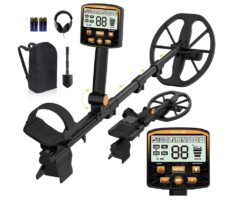
Why it stands out: Ever tried fitting a full-size detector into an already packed car? Not fun. This one folds down and drops into its own backpack. No cable wrapping, no fiddly assembly. Just unfold and go.

It's light, the stem adjusts wide for different heights, and the big waterproof DD coil handles wet sand and shallow water without drama. The kit throws in headphones, a folding shovel, a bag, and batteries.

Heads up: the coil is waterproof. The control box is not. Don't dunk it.

Best for: Beach days, road trips, and anyone tired of wrestling a bulky detector into the trunk.


Price

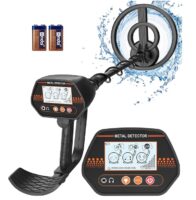
DetectTrek MD-4070 (Best for Kids)

Why I love it: Got a kid who asks "can I try?" every two minutes? Get them their own. This one is genuinely light, so small arms don't quit after ten minutes. The stem extends as they grow.

The best part is the simple display that shows treasure versus trash, which keeps kids interested instead of frustrated. The waterproof coil means backyard, park, and beach are all fair game. Two batteries are included.

Same warning: waterproof coil, non-waterproof control box.

Best for: Kids roughly ages 8 to 12, family beach trips, and swapping screen time for dirt time.


Price

SUNPOW OTMD12 Pinpointer (The Tool You'll Wish You Bought First)
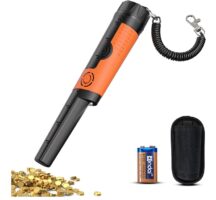
Why it stands out: A pinpointer doesn't replace your detector. It replaces the twenty minutes you spend sifting dirt through your fingers. One button, sound plus vibration alerts, 360-degree scanning, and a fully waterproof body so mud and puddles are no problem.

It clips to your belt and weighs about as much as a phone. Honestly, this is the cheapest upgrade to your hunting day that exists.

Best for: Every single detectorist. Adults, kids, beginners, everyone.
 

Price

Metal Detecting Tips

  • Use it outdoors. Indoor wiring and pipes can cause false signals.
  • Sweep slow and keep the coil low. Hold it parallel to the ground and move slowly.
  • Keep your distance from other detectors. Detectors can interfere with each other when they are too close.
  • On saltwater beaches, use the recommended settings for wet sand. Salt and minerals can cause false signals.
  • Fill your holes. Always leave beaches, parks, and other areas as you found them.
  • Care spare batteries. A fresh set can save a trip if the batteries run out.

Safety and Common Sense Tips

A few quick reminders before you head out:

  • Never dig near buried utility lines.
  • Watch for sharp trash. Broken glass, rusty metal, and other trash are common finds. Gloves can help protect your hands.
  • Check the tides before metal detecting on the Oregon Coast. Be aware of sneaker waves and changing beach conditions.
  • Keep children nearby. Make sure they stay within a safe area while detecting.

Metal detecting can be fun, but safety and respect for the area should always come first.

Disclaimer

Metal detecting rules vary by location and land manager. Some beaches, parks, and public lands allow metal detecting without a permit, while others restrict or prohibit it. Always check the current rules for the specific area before you start detecting. This can help you avoid fines, losing your finds, or having your detector taken away.


You May Also Like